Home · Services · Emergency Electrical Repair
Emergency Electrical Repair in Sarasota, FL
Quick answer
Emergency electrical triage in Sarasota ranked by danger: heat, smell, and sparking first, lost legs today.
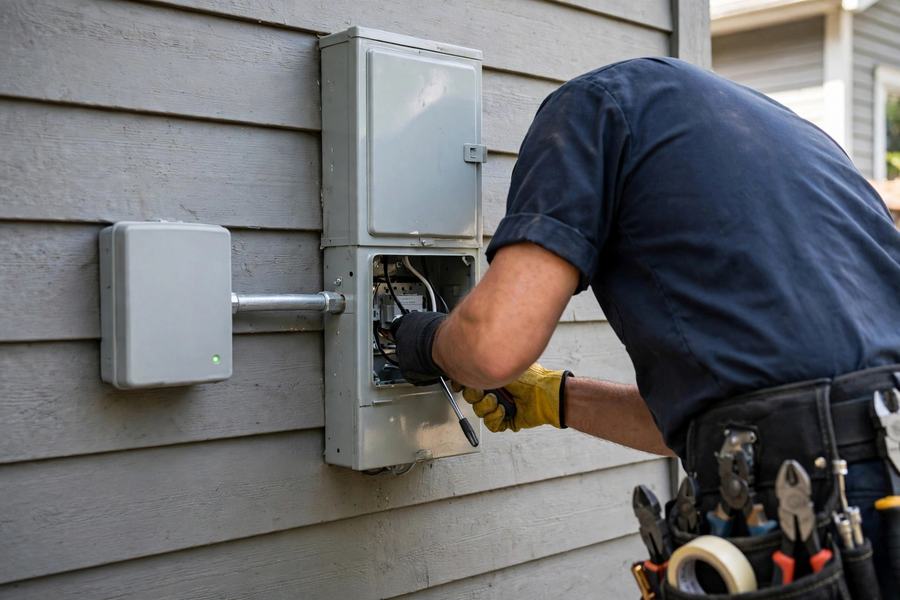
Emergency electrical work in Sarasota is ranked by danger: heat or smell at the panel, sparking, a half-dark house after a storm. Partial power in this grid often traces to a corroded service connection or a lost leg, and the first diagnostic step separates the utility's side of the meter from the house's before anything opens. Storm weeks make that call by the neighborhood, not the house.
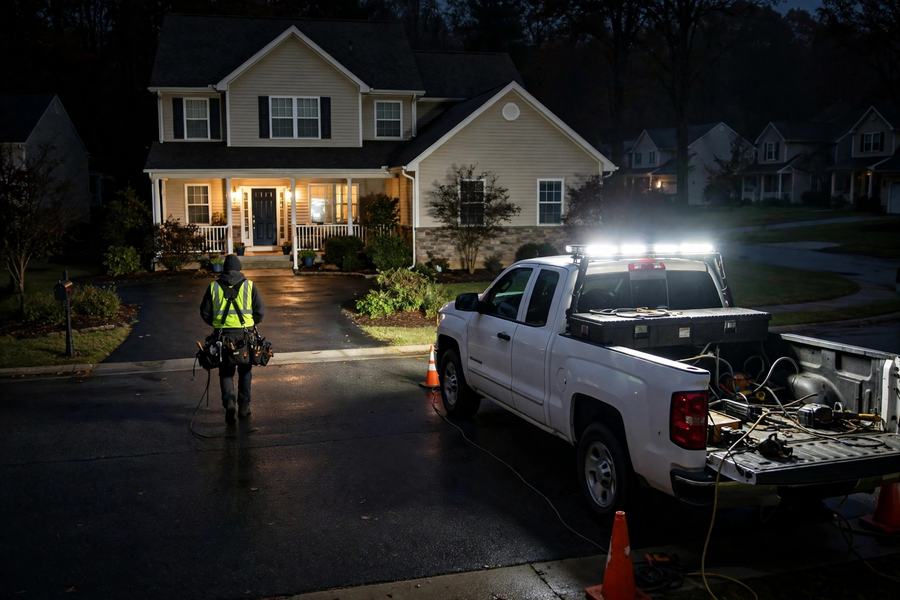
Signs you need emergency electrical repair
- A breaker that trips repeatedly on the same circuit
- Flickering lights across several rooms at once
- A warm outlet, a buzzing panel, or a burning smell
- GFCI devices that will not reset or test
- Two-prong outlets and a panel with no room for a needed circuit
What the job involves
What affects the price
- Whether the fault is one device, one circuit, or panel capacity
- Panel age, brand history, and available capacity from a load calculation
- Run length and access for new or replaced wiring
- Permit and inspection steps for panel and service work
- Outdoor and water-side protection requirements
When it is an emergency
A burning smell from a panel, sparking, a panel that is hot to the touch, and power loss to half the house are emergencies. Do not keep resetting a breaker that trips instantly, and call.
PLACEHOLDEREmergency Electrical Repair across the Sarasota area
Related services
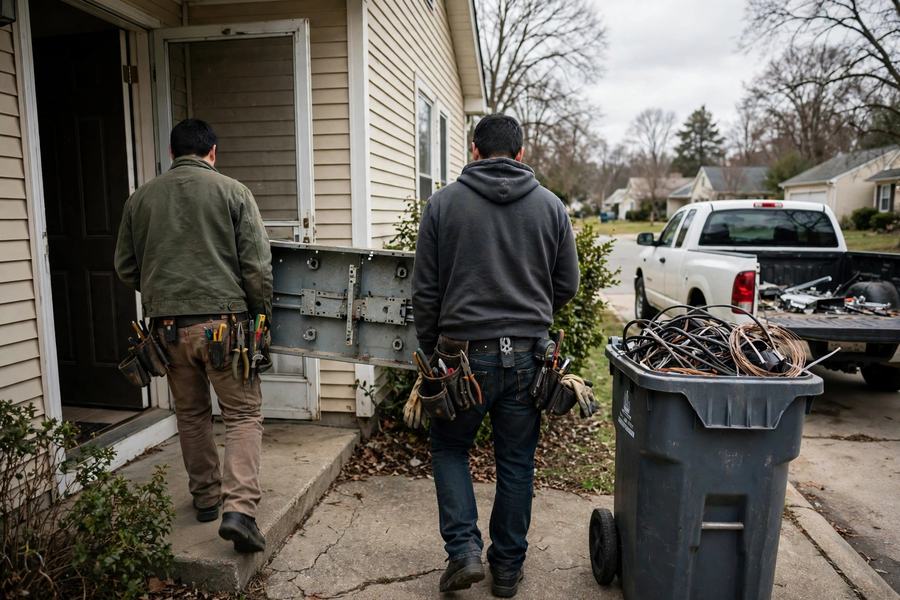
Breaker Panel Replacement & Upgrades
Panel replacement in Sarasota with a load calculation, the panel's era stated honestly, permit named.
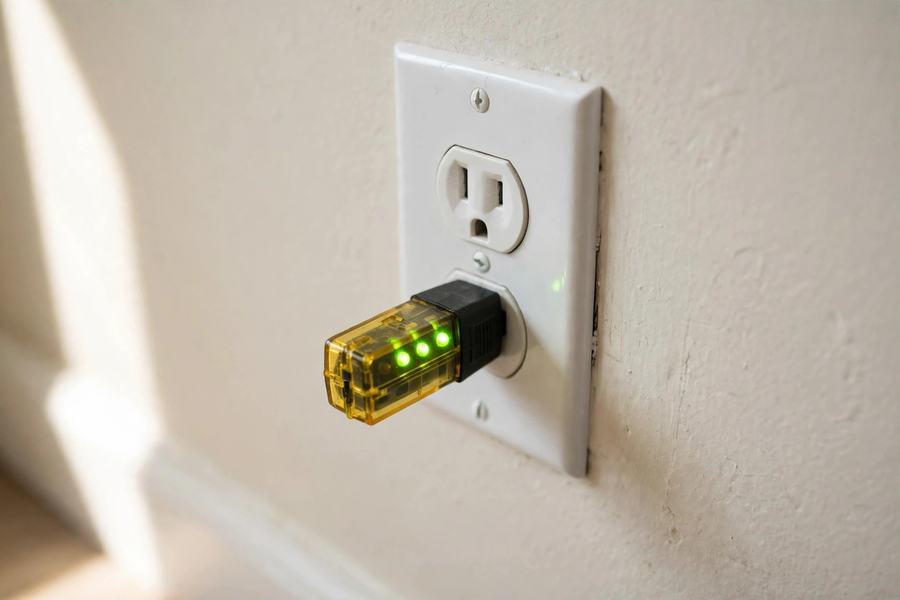
Outlet, Switch & GFCI Repair
Outlet and GFCI work in Sarasota where a tripping device is diagnosed, not silenced.
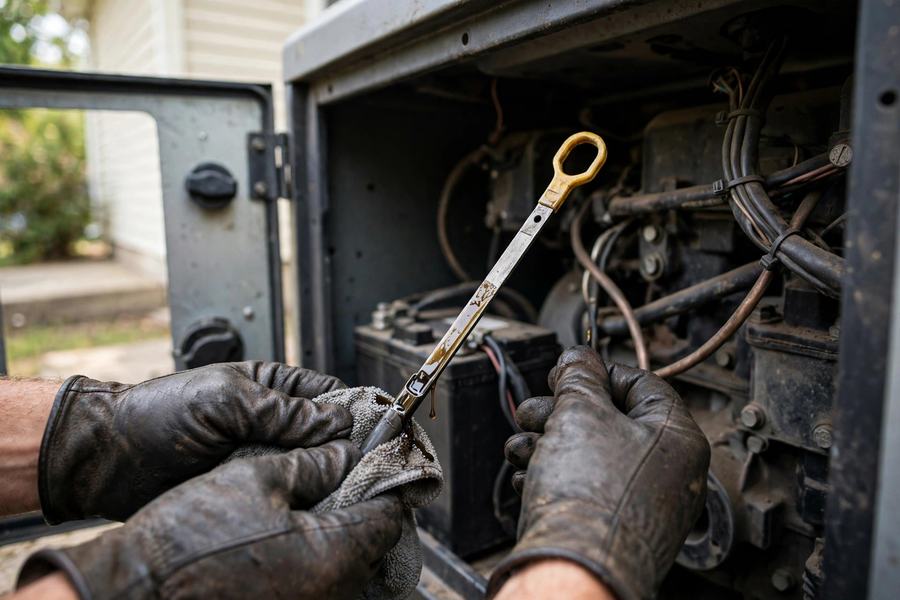
Generator Hookup & Installation
Generator hookups in Sarasota sized to a load list written in a calm week, before the storm season.
Whole-Home Surge Protection
Panel surge protection for Sarasota's lightning season, rated, grounded, and limited honestly.
Emergency Electrical Repair questions, answered
When is emergency electrical repair an emergency?
A burning smell from a panel, sparking, a panel that is hot to the touch, and power loss to half the house are emergencies. Do not keep resetting a breaker that trips instantly, and call.
What affects the price of emergency electrical repair in Sarasota?
The main price factors for emergency electrical repair are covered in the cost section above. The contractor confirms the exact price in a written estimate after seeing the job, and nothing is owed until you approve it. The call and the referral are free.
How much does an electrician cost in Sarasota?
Published national guides put electricians commonly at $50 to $100 or more per hour plus a service or trip fee, with small jobs (a device replaced, a fault traced) often landing between $150 and $400 all in. By the project: breaker panel replacement commonly runs $1,300 to $3,000, a generator interlock or transfer switch hookup $500 to $1,500, whole home surge protection a few hundred dollars installed, and whole home standby generators $10,000 to $15,000 or more installed. Written pricing after the assessment, with permit costs stated, is the number to compare.
My breaker keeps tripping. What does it mean, and can I just keep resetting it?
A breaker trips for three reasons: the circuit is genuinely overloaded, there is a short or ground fault on it, or the breaker itself has failed. Resetting once after unplugging loads is reasonable diagnostics. A breaker that trips instantly, trips with nothing running, or feels warm is reporting a fault, and repeatedly forcing it is how a protection device becomes a fire starter. The tracing order is panel, then the circuit's devices and junctions, and the finding is usually a specific device, a damaged conductor, or an appliance confessing. That visit is a repair, not a mystery.
Lights flicker across my whole house. Is it my panel or the utility?
Whole house flicker under load (when the AC or a large appliance starts) points at the service: the connections at the meter, the mast, or the utility's own feed and neutral. A failing utility neutral is the serious version and it is the utility's repair, free to you, but it must be reported and it can damage electronics while it lasts. Flicker on one circuit is the home's side: a loose connection at a device or in the panel. An assessment that meters the service under load separates the two in one visit, and honest electricians check the utility side before quoting you a panel.
Request a callback
Prefer to talk later? Leave your details and an independent local pro will call you back. No charge to you, no obligation.
Hudson Bayou Electric is a free referral service. Submitting this form connects you with independent local contractors who provide the work.